My Month in Japan Day 4: Akihabara
This post is part of a continuing blog series called My Month in Japan. Read the last article here.
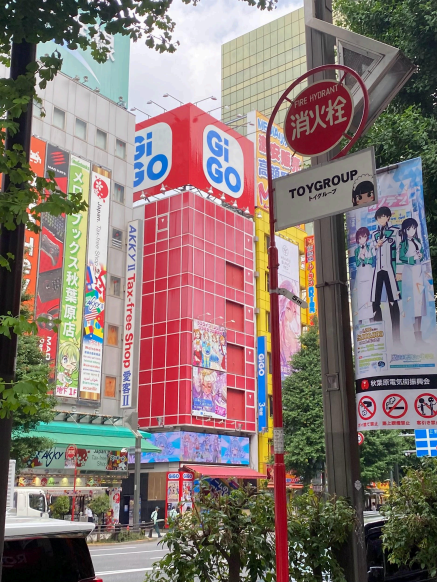
Akihabara: a symbol of forward technological development, Cool Japan and otaku culture, and our next destination during my month in Japan.
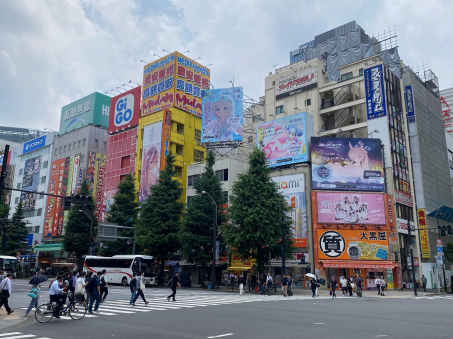
Akihabara traces its origins as one of Edo’s (the earlier name for Tokyo) city gates, functioning as a corridor between the capital and northwestern Japan. Because of this position, it developed early on into a district populated by tradesmen and craftsmen. After a devastating fire in 1869, the neighborhood was rebuilt around a shrine known as Chinka Shrine (鎮火神社, lit. ‘fire extinguisher shrine’)— later called Akiba Shrine — dedicated to a fire-controlling deity. The shrine’s nickname, “Akiba,” gradually attached itself to the surrounding area, which evolved in name from Akibagahara to Akihabara.
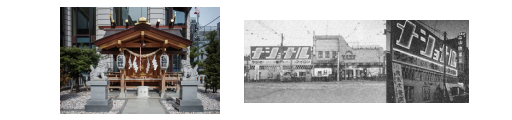
With the opening of Akihabara Station in the late nineteenth century, the district became an important freight hub, spurring the growth of local markets. In the aftermath of World War II, a thriving black market took root thereamidst weak government regulation; by the 1950s, Akihabara had gained renown as “Electric Town,” known for shops selling cutting-edge electronics like televisions and refrigerators. As those products became commonplace in the 1980s, retailers pivoted toward personal computers and related technology, attracting hobbyists and early adopters. Over time, that customer base expanded into anime, manga, and video game enthusiasts, transforming Akihabara into the globally recognized center of tech and otaku culture it is today.
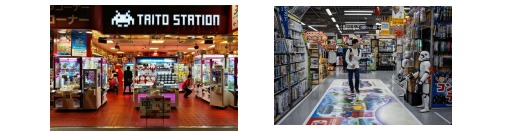
Unfortunately, I didn’t grab as many pictures of the rest of our day’s journey as I would have liked, but I can note that we spent much of it pursuing through the series of giant malls and stores located along the blocks. And when I say giant, I absolutely mean it — we went to several stores with at least 3-4 floors, going up to 7 for some of the largest shops, all filled with technology and anime and manga merchandise — Akihabara’s reputation was certainly no understatement. I’ve included a few images here that roughly reflect some of the stores we saw. If you’re a lover of either technology or anime, Akihabara is a hotspot for both for a reason and, though it definitely is touristy, I would highly recommend it anyways for a strong shot of modern Japanese pop culture in Tokyo. Just wandering the block amidst a crowd of people with vibrant, multicolored modern buildings and billboards towering over you on every side boasting your favorite anime characters and tech brands is a cool enough aesthetic in itself. Though, on the flip side, if you aren’t a fan of that kind of modernism, well…you get the picture, and there’s elsewhere in Tokyo that reflects the traditional side too, a few of which we’ll be exploring in this series soon enough.
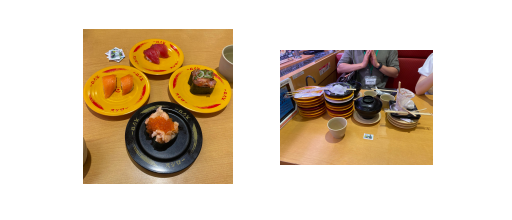
Now, what I do have a few pictures is the conveyor belt sushi we had for lunch there, It was my first time trying conveyor belt sushi, but man, it was delicious. Surprisingly, I also had one of the best mini-bowls of miso ramen in my life there as well (though it’s equally possible I was just very hungry). I believe the restaurant we went to was called Sushiro, and I definitely recommend it if you find yourself in Akihabara.
All in all, Akihabara wound up being one of my favorite days in Japan — not just because of the shopping, but also because of the history it symbolized. Akihabara, in its transformation from city gate to black market hotspot to an otaku and tech epicenter, is a living snapshot of how Japan continually reinvents itself, layering history, technology, and pop culture into something unforgettable.