
What’s traveling during Golden Week like? A trip to Izu Peninsula
Golden Week is a string of holidays in Japan at the end of April and early May, and it sees a lot of travel all around the country. The first holiday, Showa Day (昭和の日 Showa no Hi) takes place on April 29. Then, a few days later, a string of 3 consecutive holidays from May 3rd to May 5th: Constitution Memorial Day (憲法記念日 Kenpō Kinenbi), Greenery Day (みどりの日 Midori no Hi), and Children’s Day (子供の日 Kodomo no Hi). Lots of Japanese families take the opportunity to travel - both to go sightseeing, or very often to visit family in their hometowns. This time of year sees lots of additional foot traffic at common sightseeing locations, especially in travel hotspots like Kyoto, Nikko, Kamakura, and so on. Domestic travel becomes so popular during this period, that all shinkansen seats become reserved seats - meaning you must purchase a reserved seat ticket to board - and they sell out fast. If you want to book more than a month in advance to secure your spot, you have to register online for a lottery system! But we’ll get into that later.
So, after I booked last minute flights for a week in Japan, and then realized I’d be there during Golden Week… I was a bit nervous. Turns out, it’s super awesome! You might see on online discussions that Golden Week is an unfortunate time to visit Japan because of how busy it gets, but truly, it is just more lively and exciting. I’ll walk you through what my preparations were, how to snag your train tickets, and my awesome experience traveling Japan during Golden Week.
First, let’s talk about trains, and train tickets.
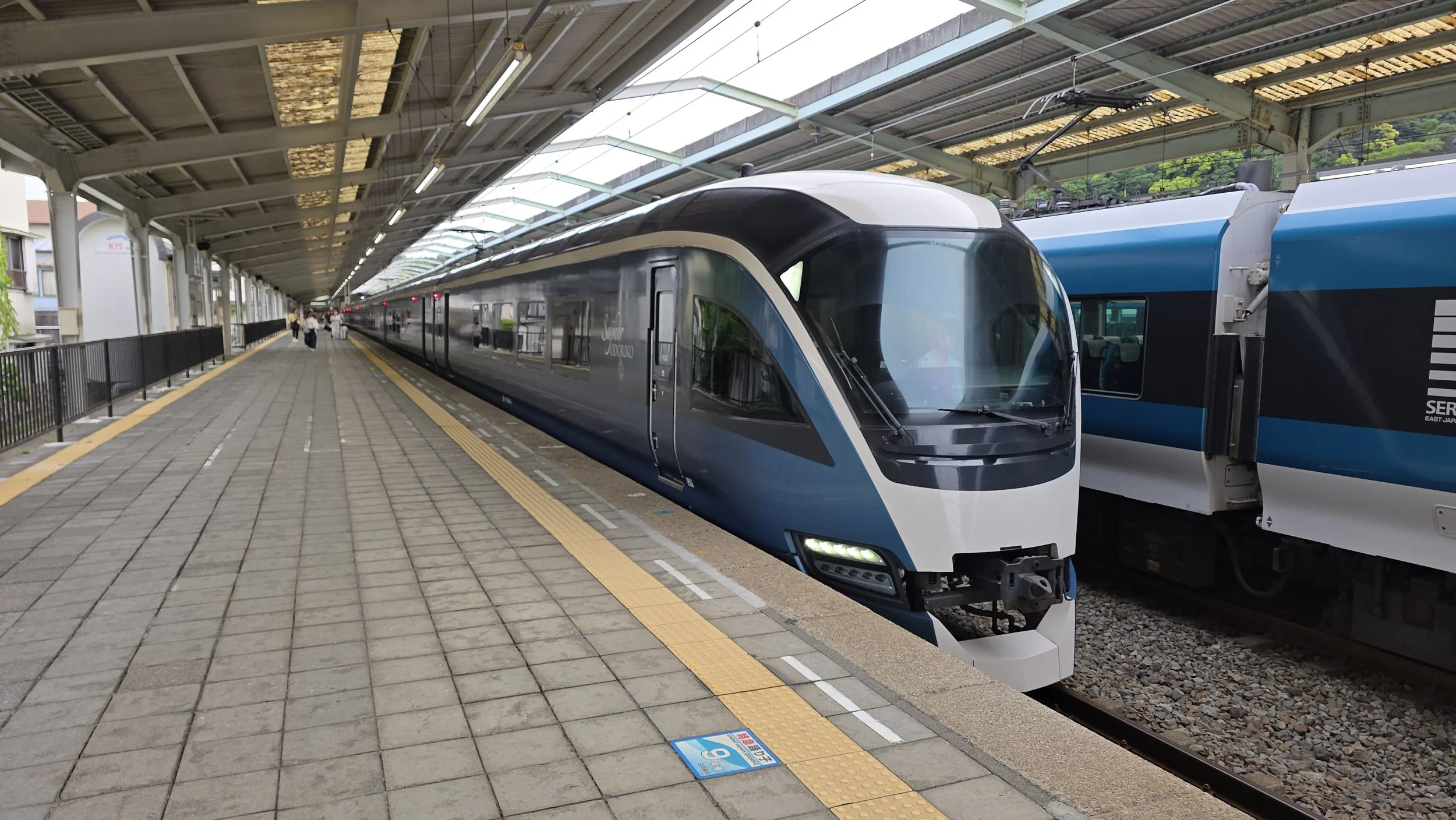
The Saphir Odoriko - a limited express sightseeing train that runs from Tokyo to Shimoda.
The busiest shinkansen line in Japan is the Tokaido Shinkansen - it connects Tokyo, Yokohama, Nagoya, Kyoto, and Osaka. Pretty busy places! I figured that during Golden Week, there was a slim chance I’d be able to guarantee myself a seat on one of these trains, let alone two for the return trip.
Now, on normal, non-super-busy-holiday days, you are often able to stroll right into your local JR train station and buy shinkansen tickets for a train that day. I’d done this multiple times before, but never during Golden Week. I was prepared to fully not be able to buy shinkansen tickets, so I picked a different train instead. Instead of riding a shinkansen, I searched for trains that leave out of Tokyo and go off the beaten path a little. That’s when I discovered the Odoriko - a limited express service that leaves from Tokyo station, and makes its way down several rail lines, passing through Kanagawa, into Shizuoka, and to the southern tip of the Izu Peninsula.
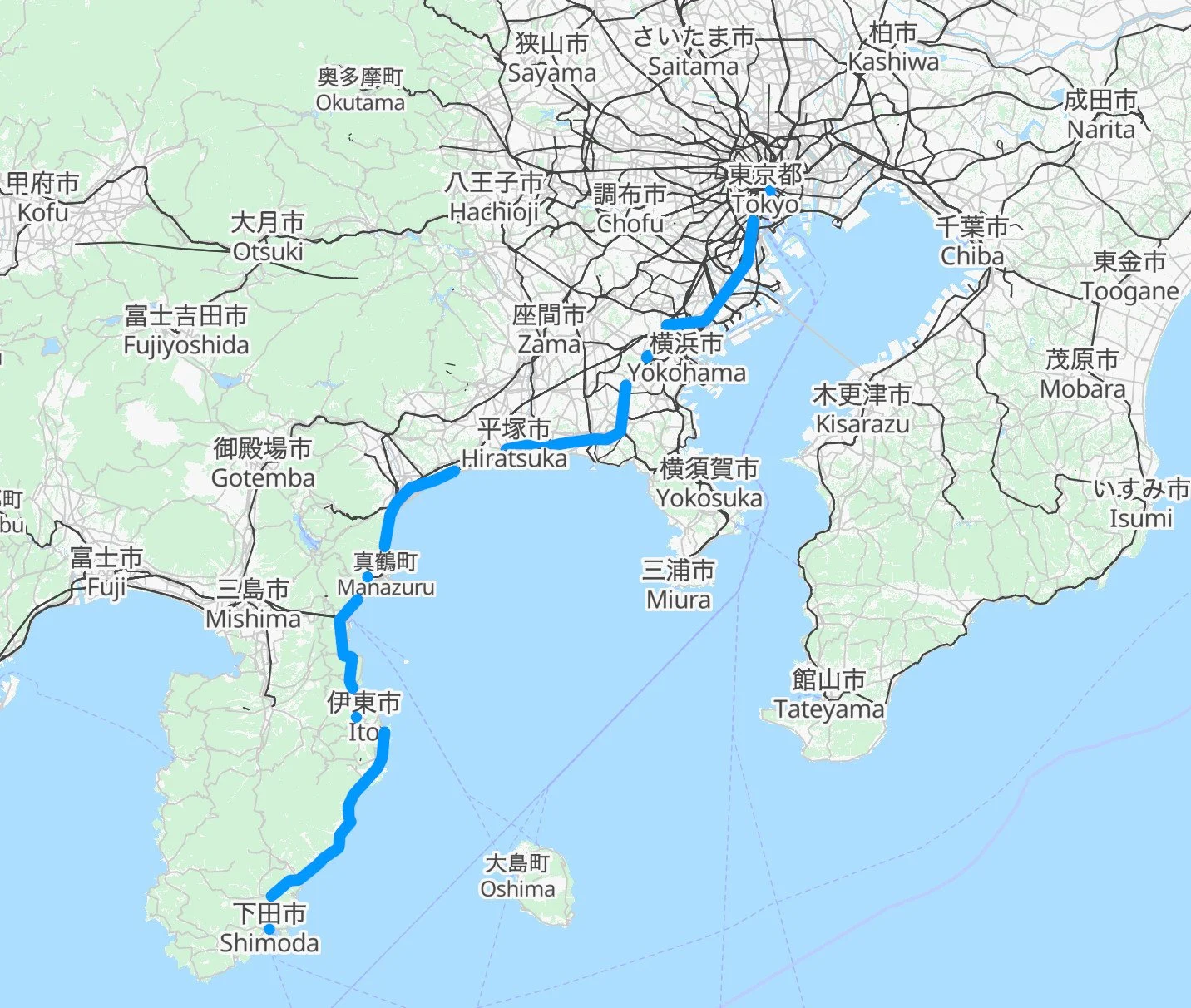
The route of the Odoriko service. Station stops are not labelled.
What’s special about this service is that this typically is a journey that requires a trainsfer at Atami, a beachside onsen town by the mountains (very much worth visiting in its own right), which adds an hour to the journey - and is also much less comfortable, given that they are standard run-of-the-mill trains you’d use for commuting! So, a one-seat, comfortable, sea-side ride from Tokyo to the tip of Izu Peninsula - surely we can grab tickets, right?
During Golden Week, lots of folks prefer to pre-book their train tickets online. On JR’s website eki-net.com, you can typically buy tickets for trains up to one month in advance. Tickets for a given day become available at 10 AM sharp, 30 days prior. So, on busy days, there is a mad rush, with thousands of Japanese residents refreshing their web browsers at 10 AM, hoping to snag tickets for their holiday travel. Things sell out fast. This became such a problem that JR introduced a new service called 事前受付 (Jizen Uketsuke, advanced reception) to help solve this problem.
One week prior to tickets becoming available for purchase online, they open up a lottery system! It lets you submit entries for trains you’d like to buy tickets for, one week before tickets go on sale. Discovering this service relieved a lot of stress when booking my travel, and I was able to win tickets for both my trip down to Shimoda and my ride back to Tokyo. You can read more about it from JR here: https://www.eki-net.com/top/jrticket/guide/jizen/index.html (JP). I also found this youtube video extremely helpful in explaining all the ins and outs of using the system: https://www.youtube.com/watch?v=-e1wZ47ujyQ (JP).
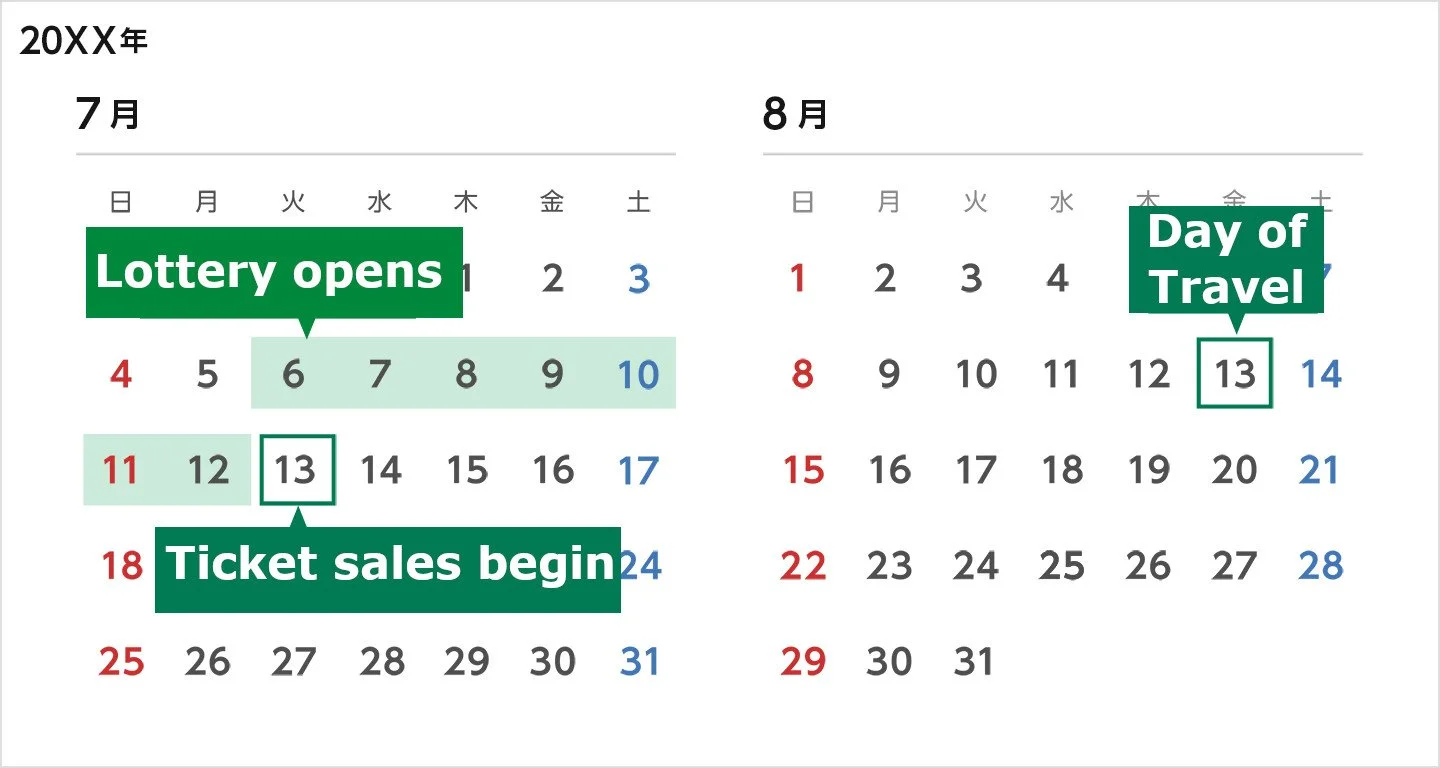
If you want to travel, on say, August 13th for Obon, you can try to buy tickets at 10 AM JST… Or, you can enter the lottery system the week before!
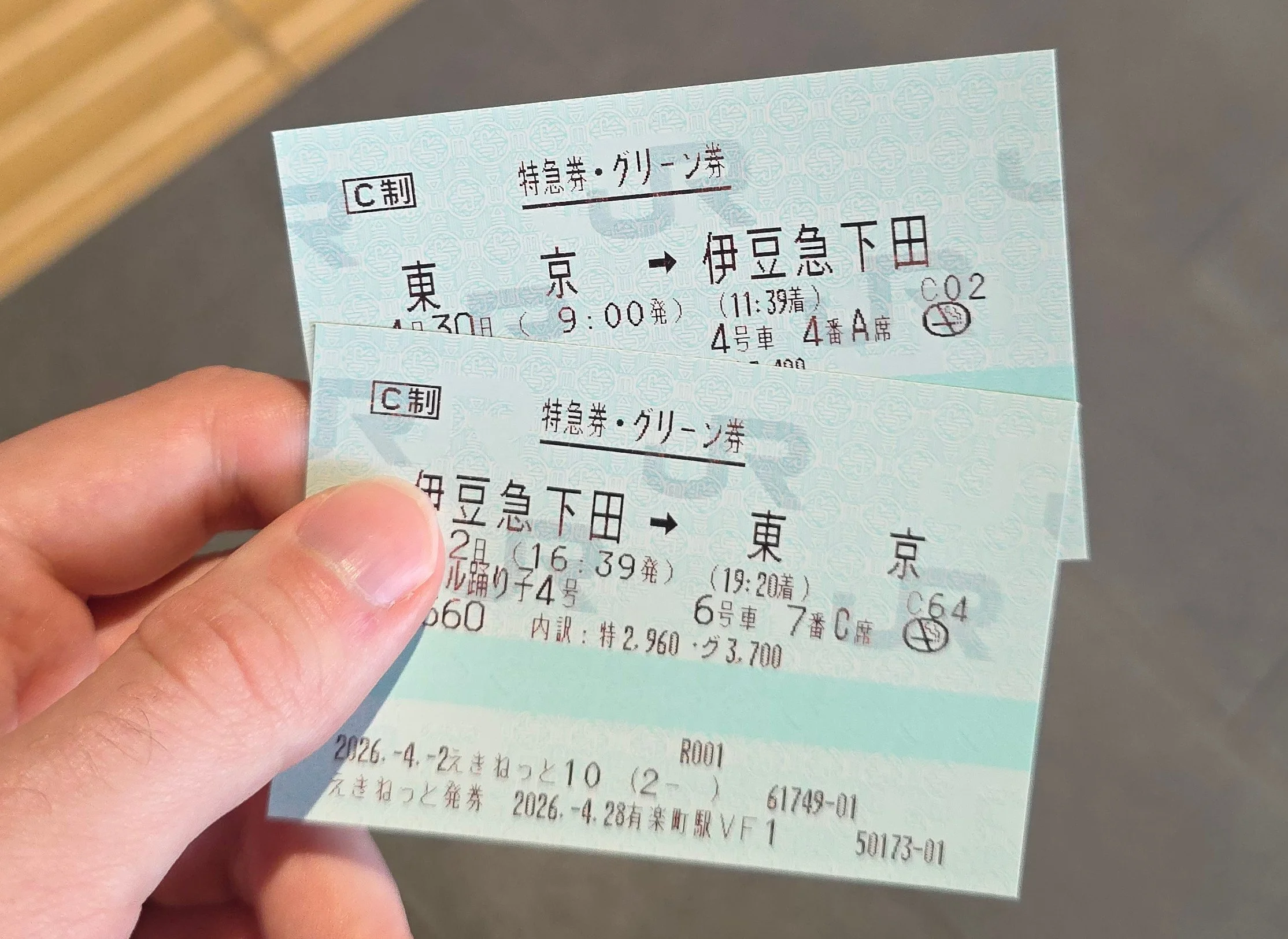
Once your tickets are purchased, you can pick them up from ticket machines in JR stations using the QR code received in your email. Note that limited express tickets still need regular tickets as well. If you don’t have an IC card, you must buy both limited express tickets and regular tickets - for a total of four tickets for a round trip.
So, what is it like during Golden Week? Well, it all depends on where you go. Often, folks are traveling from where they live and work to their vacation destinations or hometowns, so lots of places in Tokyo are actually less busy. Fewer commuters on the Yamanote. That said, you may be shoulder-to-shoulder with huge crowds making their way around the shops in Ikebukuro on what would otherwise be a school day.
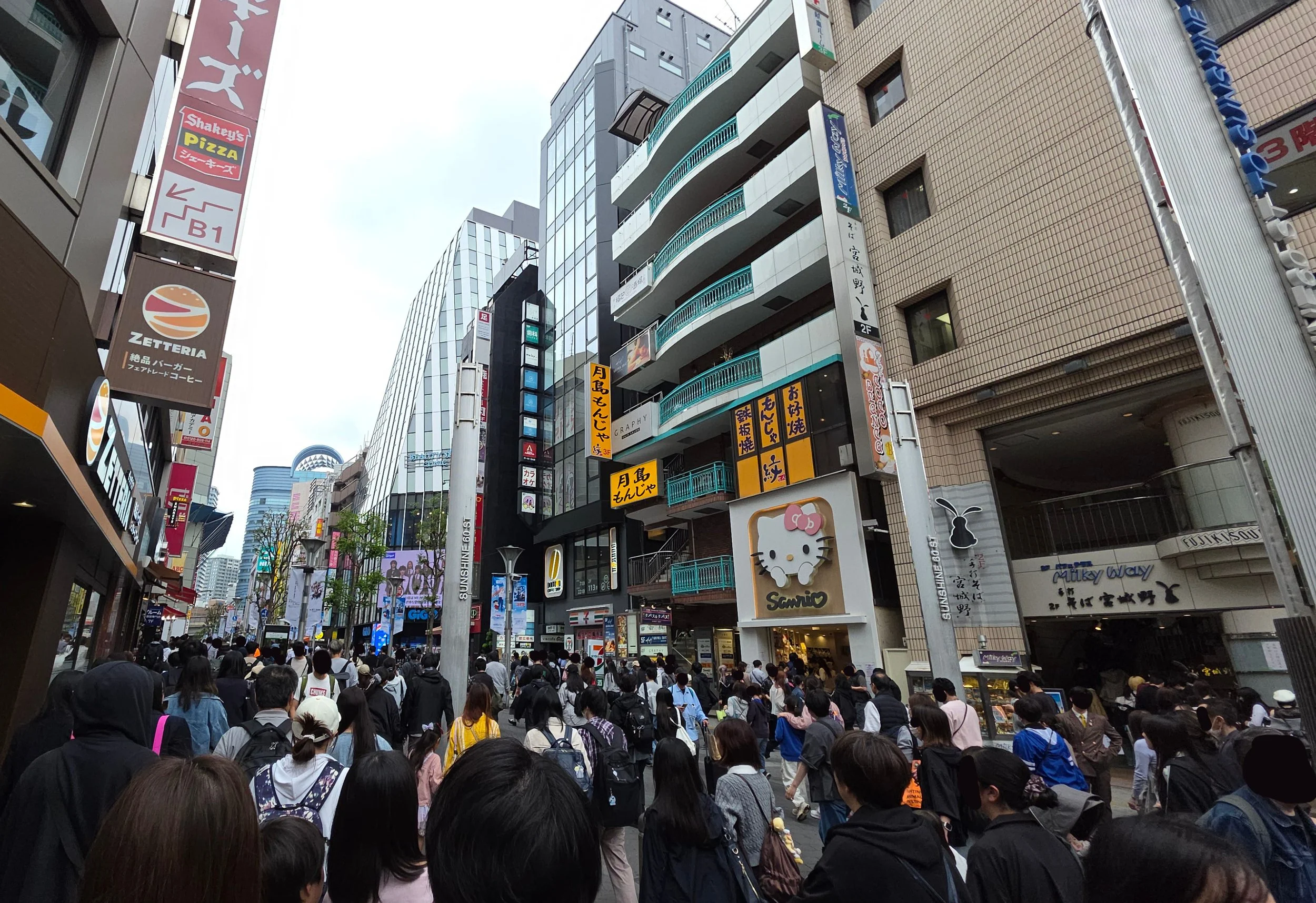
A bit crowded in Ikebukuro, but very fun.
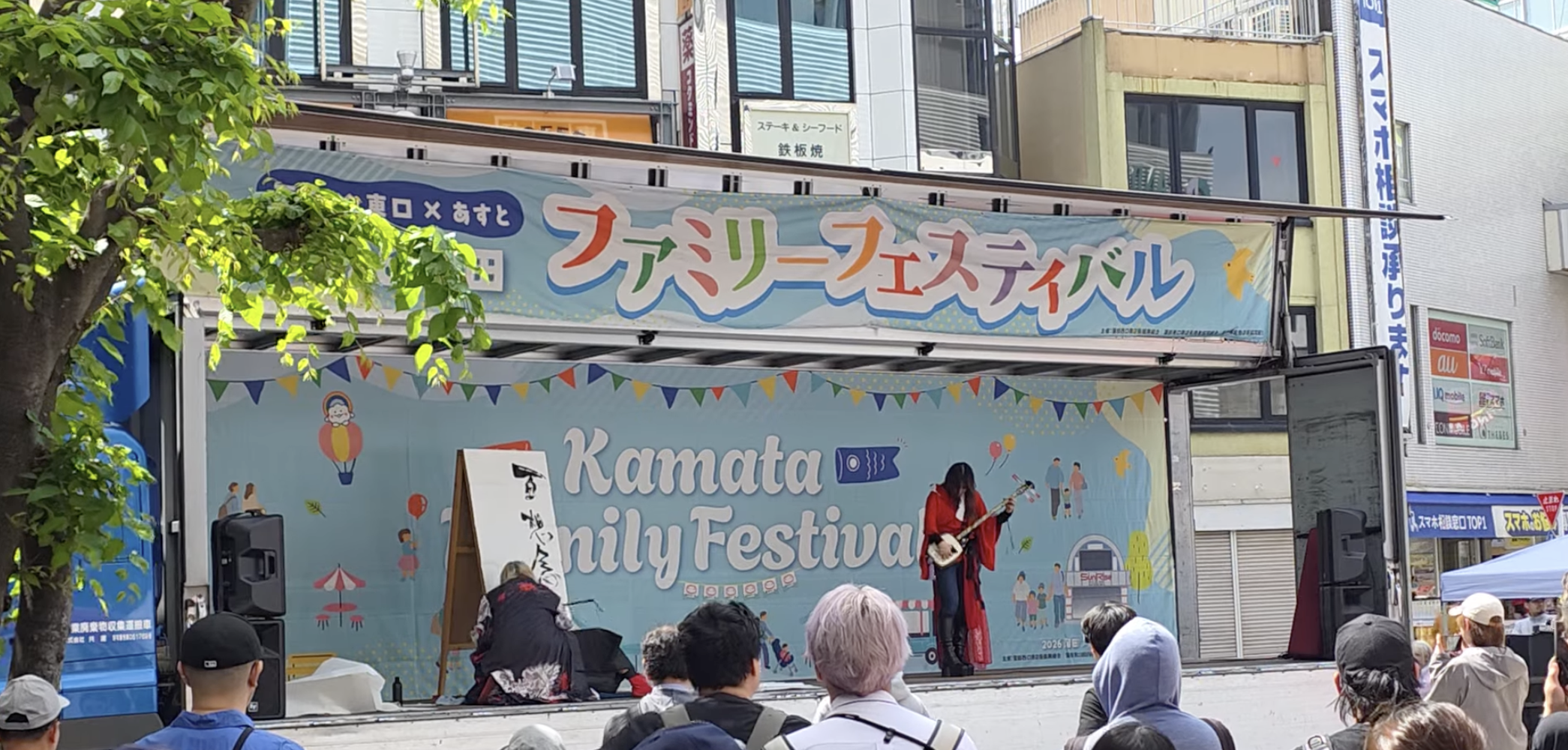
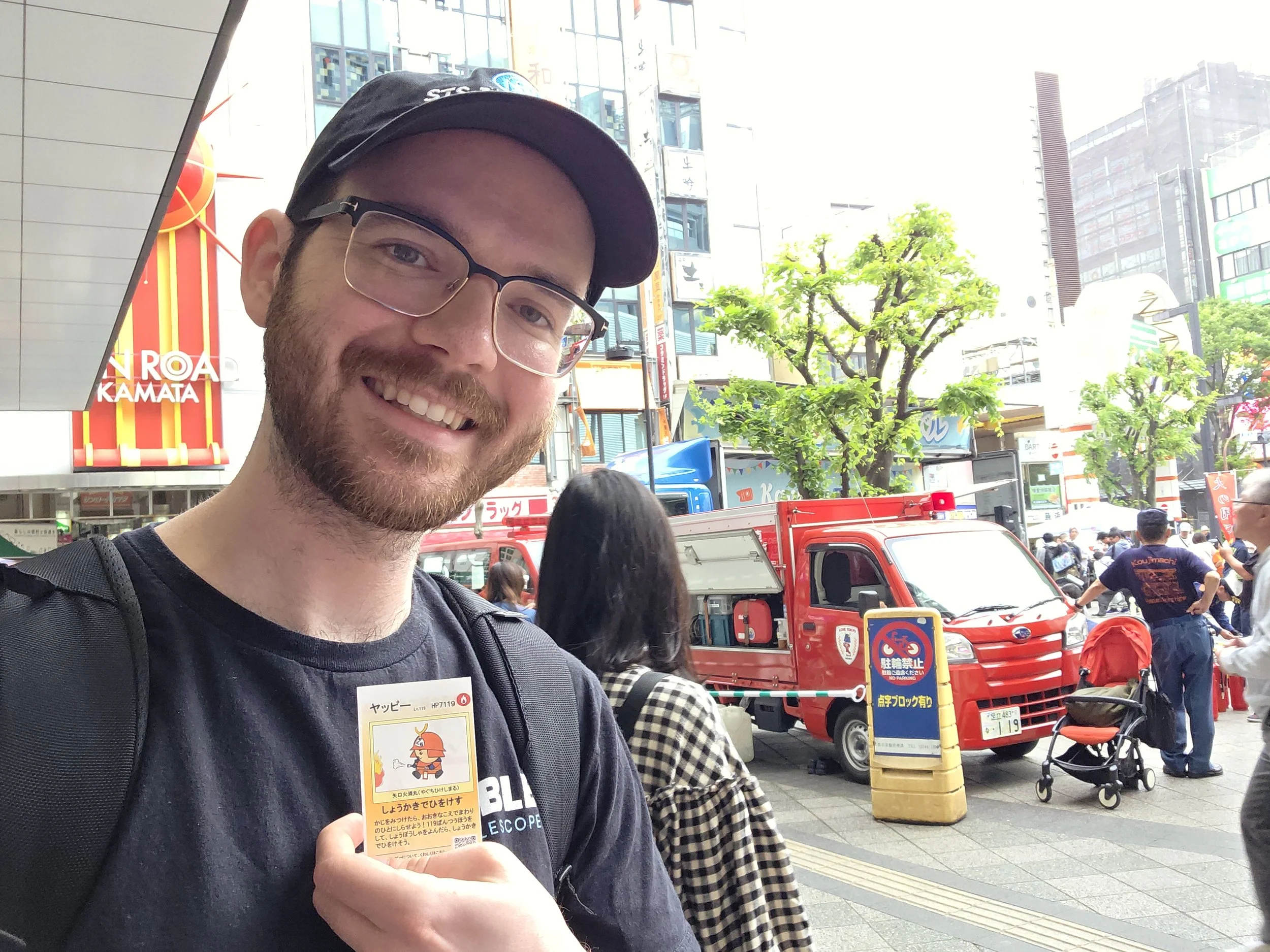
Golden Week is a great time for festivals, though. Aimlessly stumbling around the Kawasaki area, I ran upon two festivals, back to back, by complete coincidence. They certainly would not have been there if not for Golden Week! First, I went to Kamata for a simple transfer, but heard live music outside the station. It turns out it was the Kamata Family Festival! There were awesome live performances, like a shamisen-shodo duo. The fire department was even there to let people see their awesome vehicles and learn how to use fire extinguishers. The firefighter gave me a super cute firefighter trading card for participating. It was a blast.
Then, right after, I headed to Kawasaki, and heard more live music outside! Turns out, Kawasaki loves to celebrate Okinawan culture, at their annual Haisai Festa. Street food and live music by artists from Okinawa - another splendid time thanks to Golden Week.
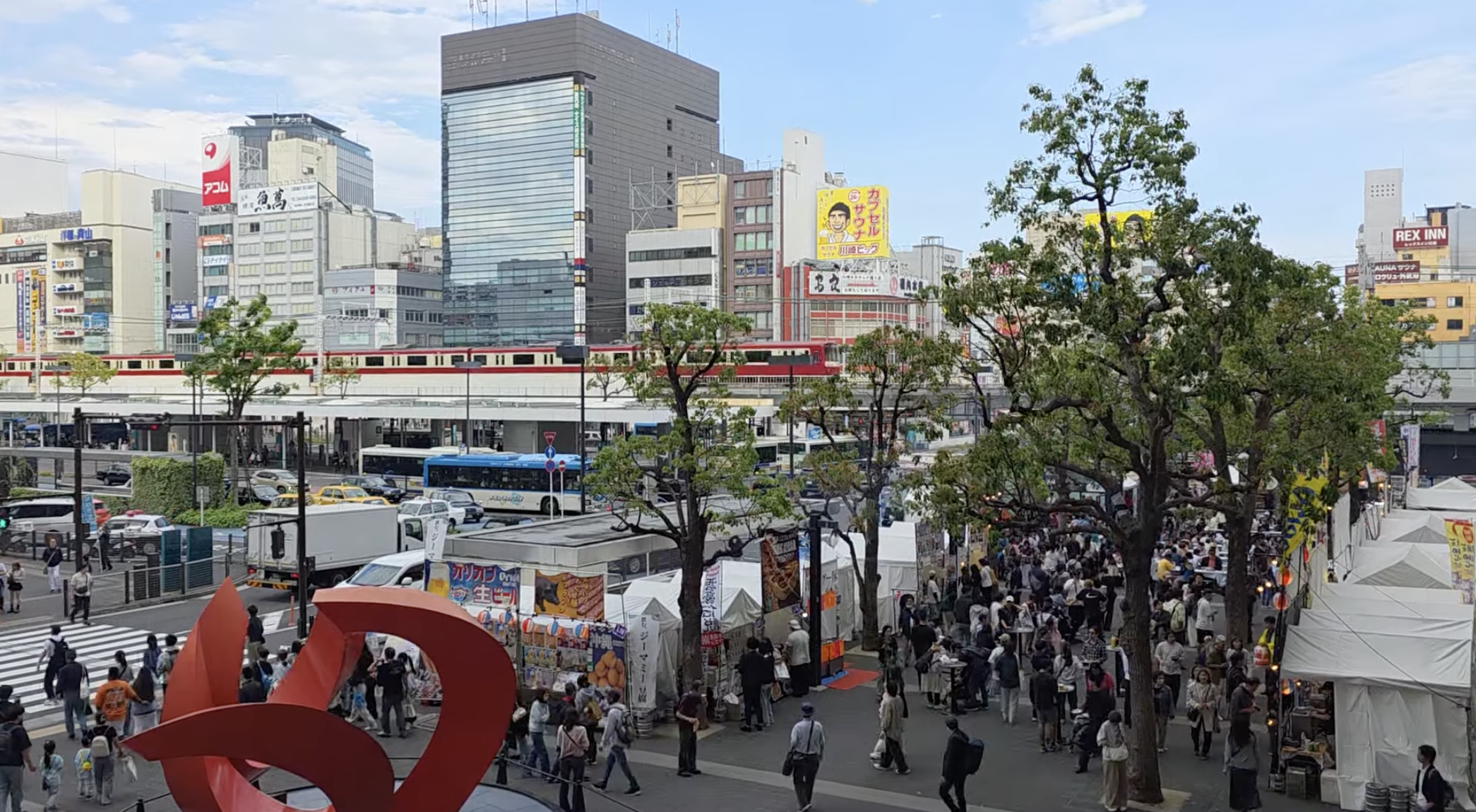
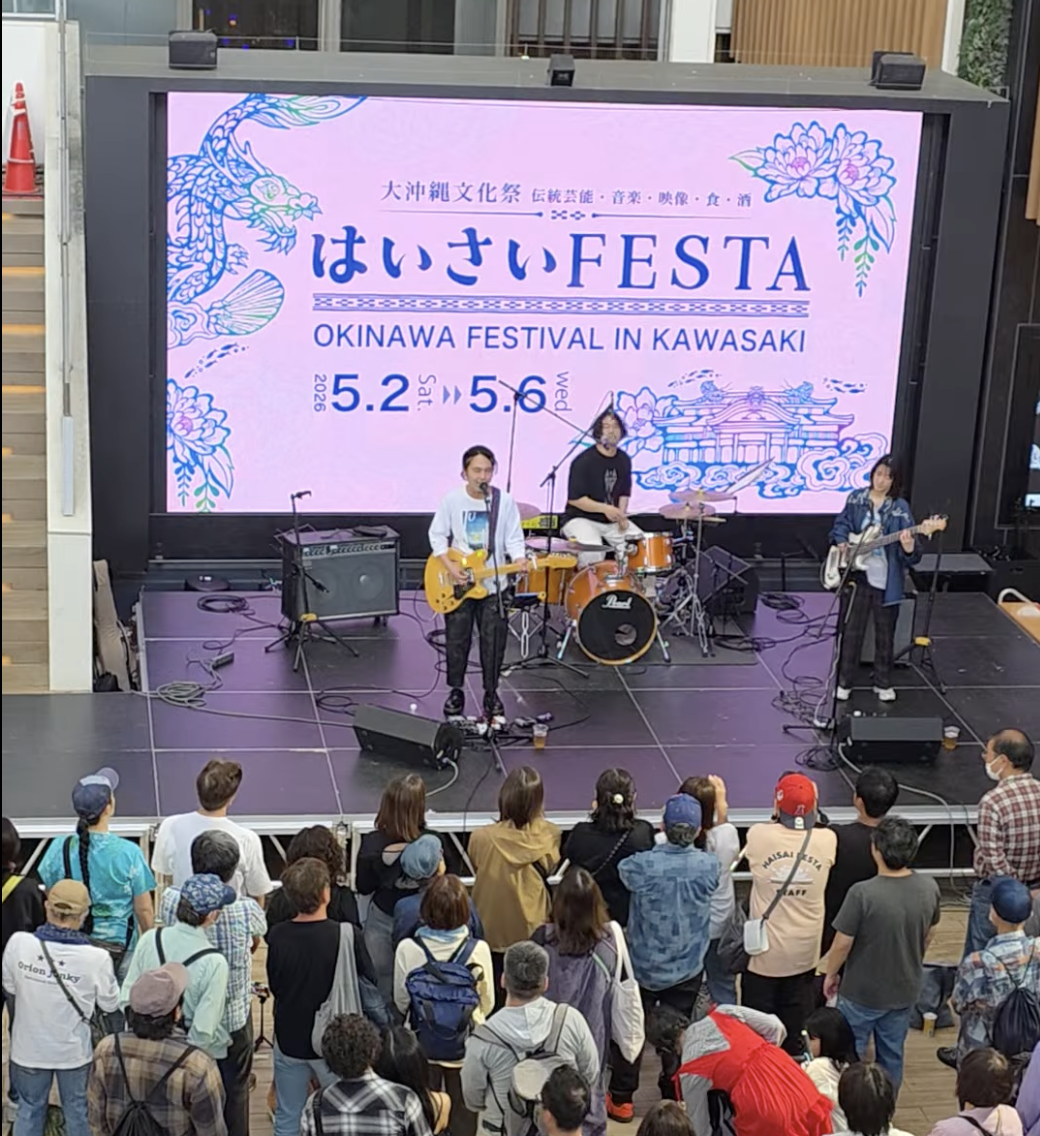
In a way, the Tokyo area just felt more alive and fun.
Shimoda, on the other hand, was a different story. It’s a beach town, really. And in late April, it is cloudy, rainy, and the water is still too cold to swim. Which made for some awesome vibes while exploring.
I had absolutely no idea going into it, but Shimoda is famous for being the landing site of Matthew Perry, as US Commodore, in 1853, leading to the first relations between the US and Japan, and ending Japan’s period of isolation - and eventually the collapse of the Tokugawa shogunate. Stepping off the train, I was completely oblivious to this history… I only came here because I found a cool train that goes here. So, of course I was beyond perplexed when strolling around town, you see US and Japan flags… hanging from all the street lights.
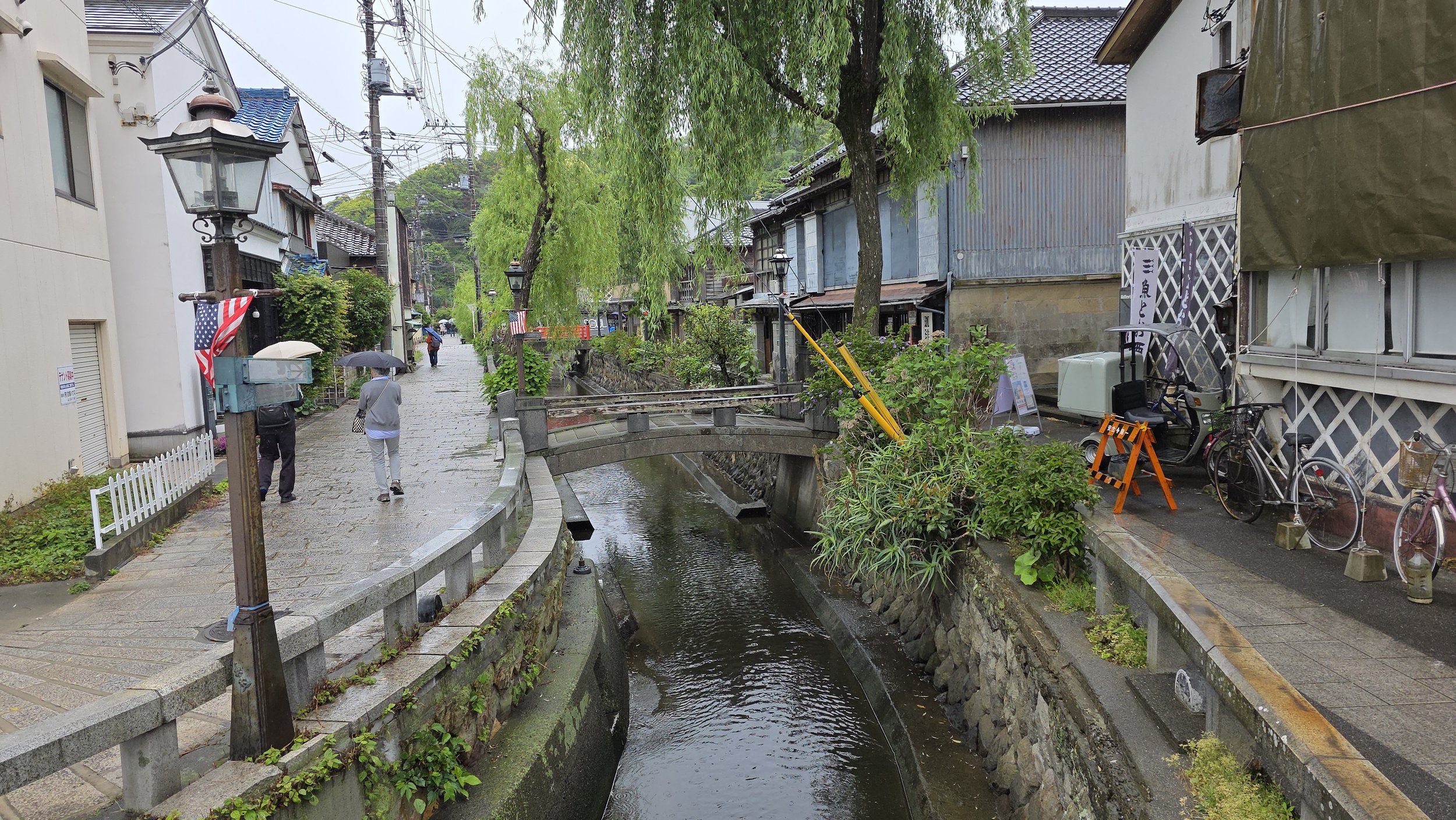
At first, I was a bit confused, but I very quickly learned the history, and was absolutely fascinated. My first order of business was visiting Shimoda Park, known locally as Shiroyama Kouen (Castle Mountain Park), as it is the former site of Shimoda’s castle, now a beautiful park on a mountain. You also get a great view of of the town:
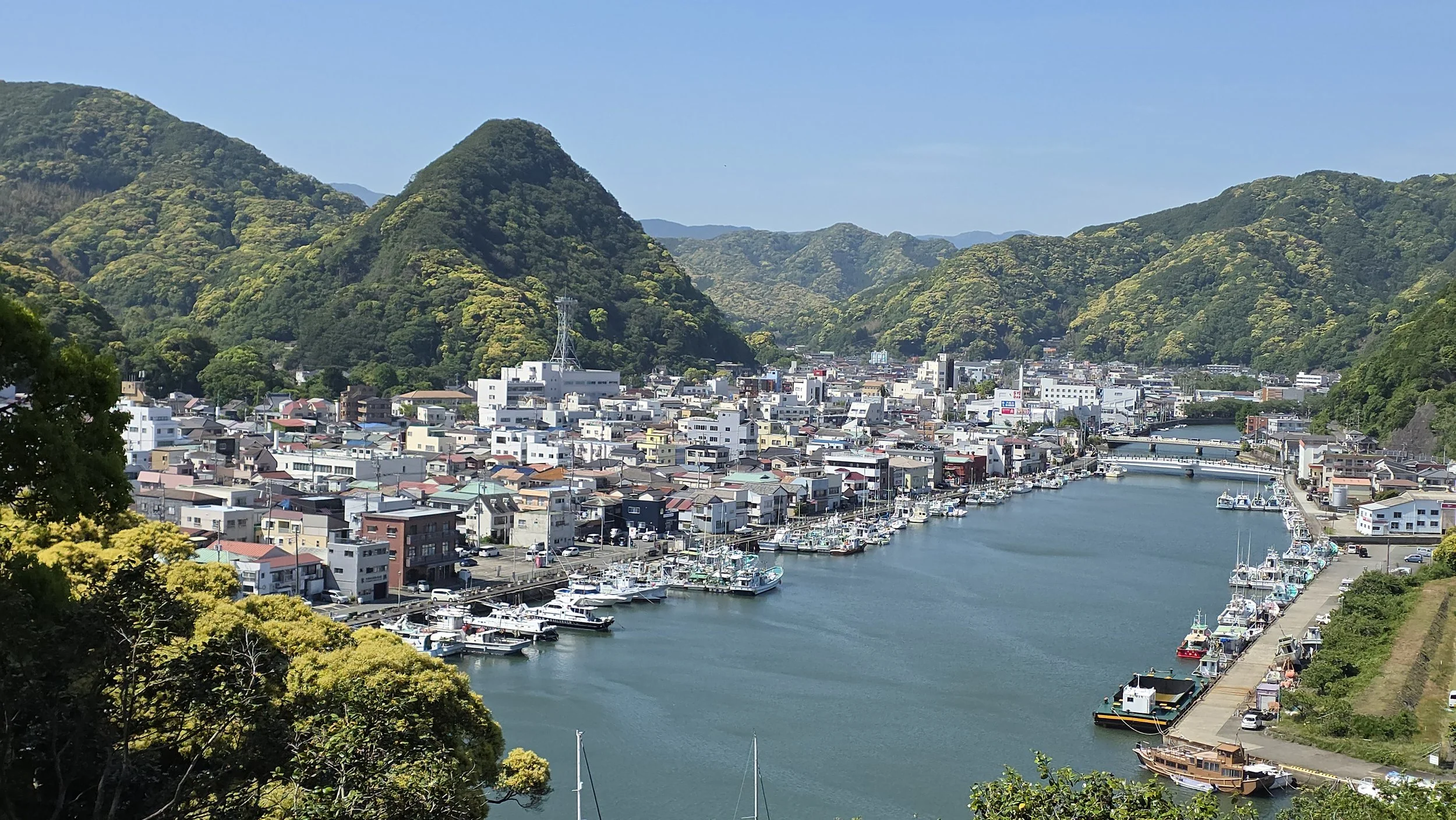
It was a very lush and beautiful park, with several lookout points, and a huge hydrangea garden that blooms during the town’s Ajisai Matsuri (hydrangea festival) held throughout the month of June.
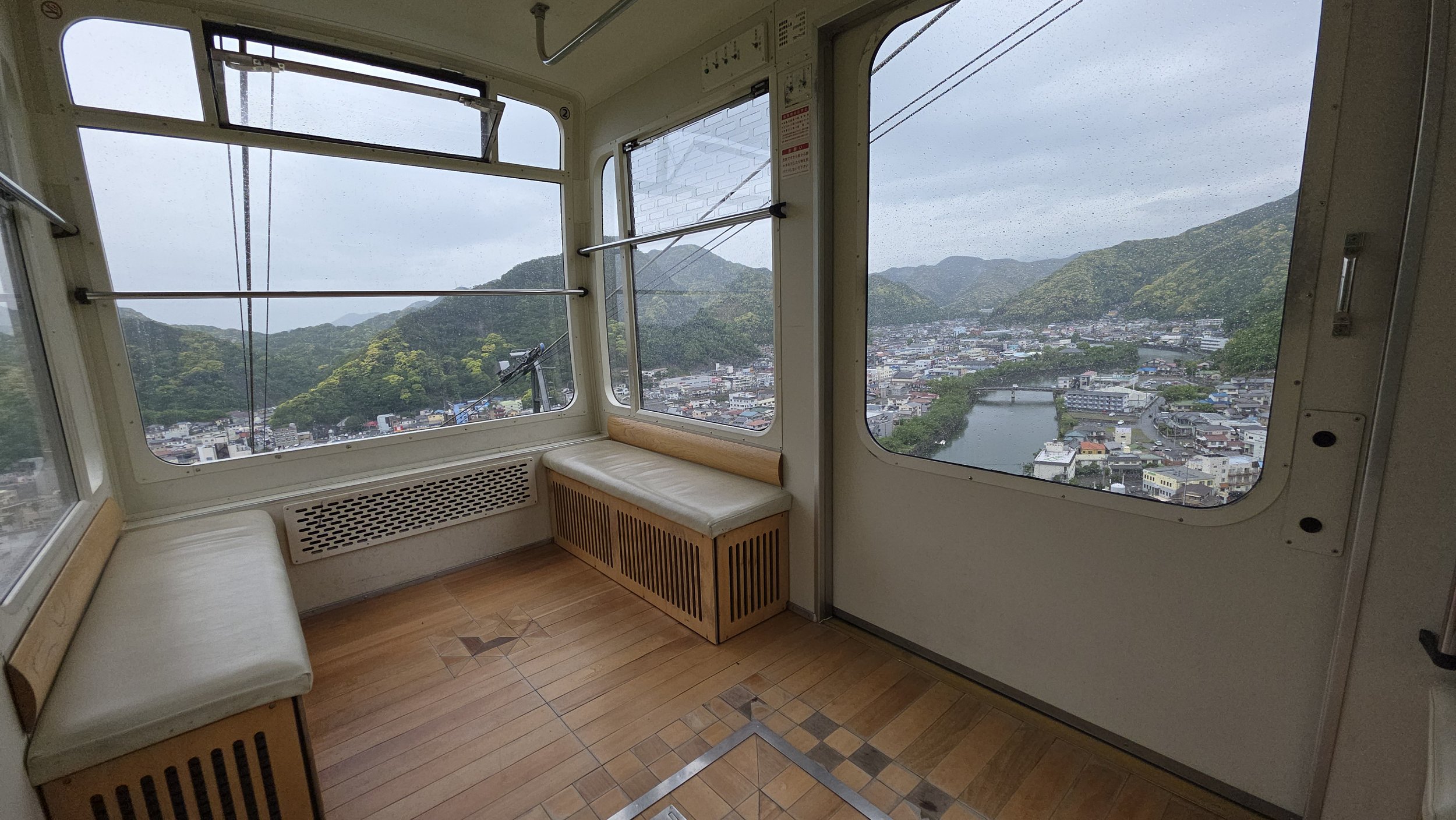
The town also boasts a super cute ropeway, that takes visitors from right by Shimoda’s train station to the top of Mt. Nesugata. It’s atop this mountain that Matthew Perry’s black ships were first spotted, and after a short ride you are immediately gifted with the most splendid view of the bay.
Shimoda is just the tip of Izu - there is so much more to explore. It’s often recommended to rent a car when exploring Izu, as there really is only just the one train line that follows the coast down from Atami. That said, from Shimoda station, there is a wonderful system of buses that drives all around Izu to some utterly breathtaking sights, from wide rocky beaches to cascading waterfalls in the mountains of Izu.
Take the S31 to Shirahama Jinja, and after exploring the beautiful shrine in the forest, head to the beach right behind it:
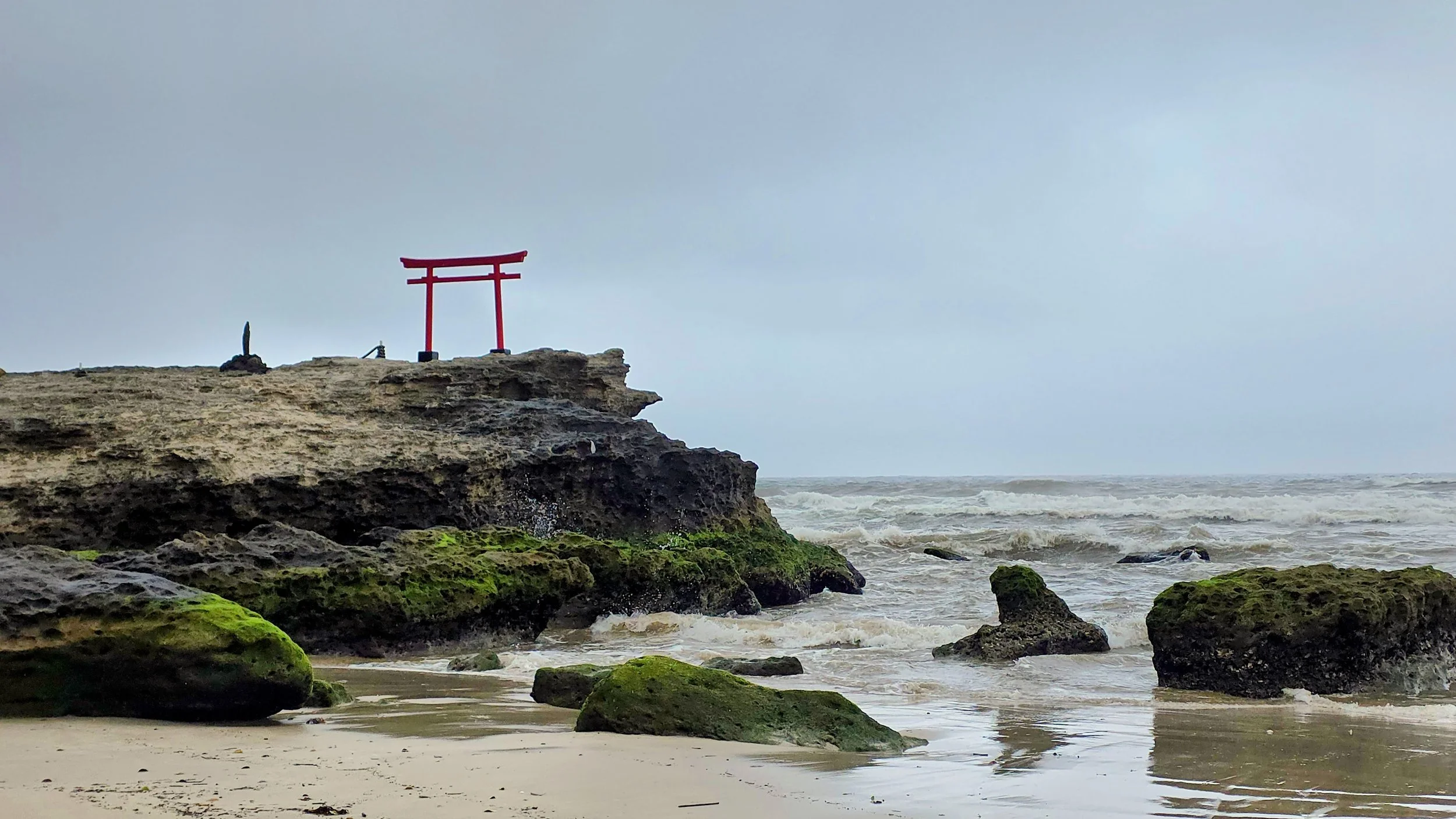
Or, take the S10, S11, or S12 to Nanadaru, a trail with seven gorgeous waterfalls, all within a few minutes walk of one another. The constant rainy weather and heavy overnight storms turned into a blessing, when I stumbled upon the violent cascades of the first waterfall, 大滝 (Ōdaru).
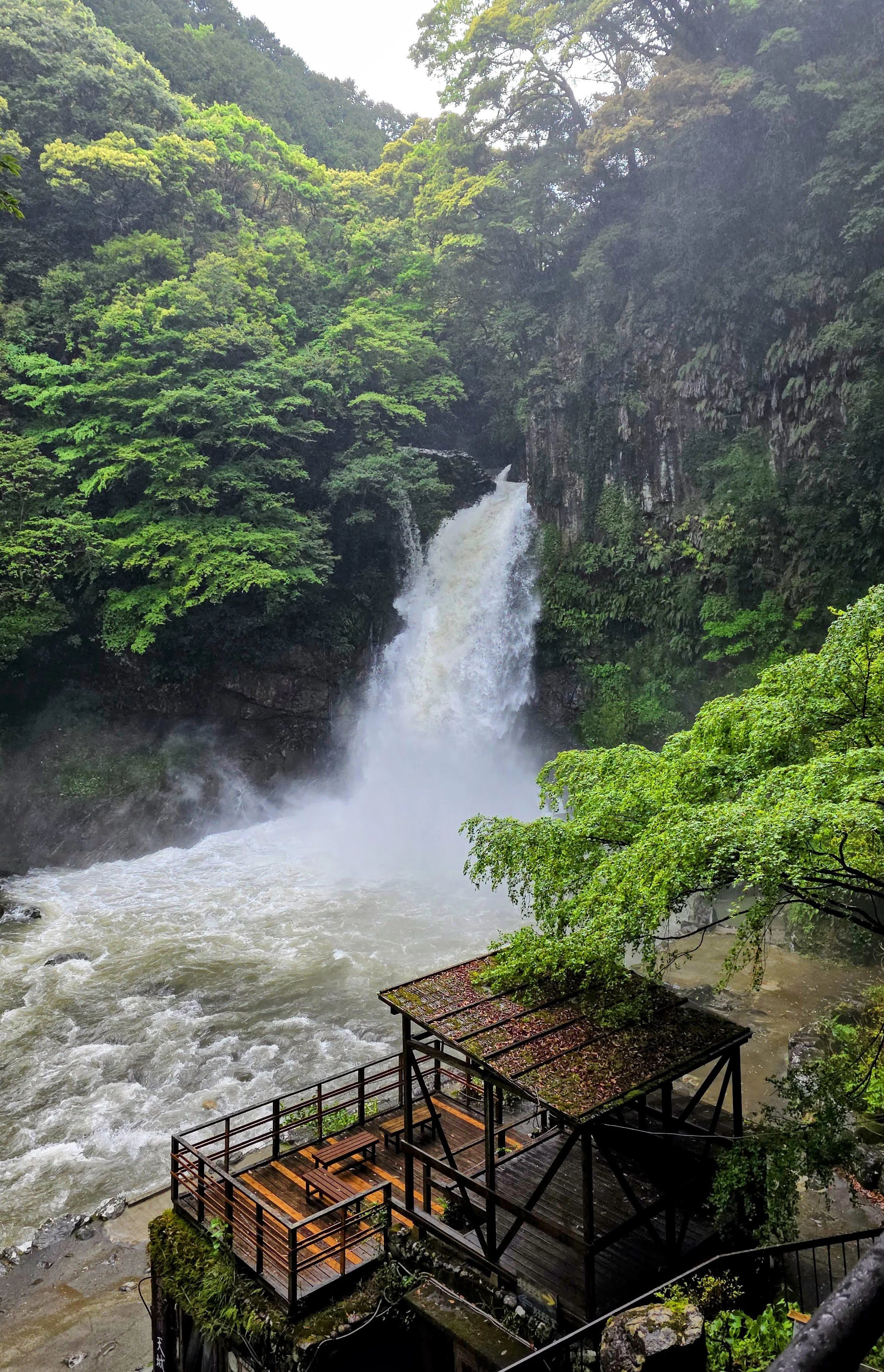
I met so many people on this trip, from locals in Shimoda, travelers from across the world, and Japanese families helping me find my way. Outside of my train ticket to Shimoda and my accomodations, I had nothing planned at all, and ended up having the adventure of a lifetime - in part, thanks to Golden Week. I never would have thought to look for different trains out of Tokyo that wouldn’t be sold out, and never would have discovered Shimoda. I wouldn’t have gotten to enjoy seemingly random festivals, or what it’s like to ride a nearly-empty Yamanote car at 8am on a Wednesday! I met fishermen, firefighters, hikers, travelers. Japan is a place that will always surprise you, beyond your expectations, with its beautiful nature, incredible cities and transit, and people.